Why Most First-Time E-books Never Get Finished
Why Most First-Time E-books Never Get Finished is a question many aspiring writers and experts quietly struggle with. The idea feels solid. The motivation is there at the beginning. Yet weeks—or months—later, the draft sits unfinished, buried in a folder. This isn’t usually a problem of talent or knowledge. It’s a problem of process.
First-time e-book creators often underestimate how different finishing a digital book is from thinking about one. Writing an e-book isn’t just a creative task—it’s a structured production workflow. When that workflow is missing, projects stall.
Let’s break down the most common reasons this happens.
The Hidden Reasons First-Time E-books Stall
1. Starting With an Idea, Not a Structure
Most people begin with a broad idea:
“I should write an e-book about X.”
What’s missing is a defined scope, outline, and sequence. Without these, writing becomes a daily decision-making exercise:
- What should I write today?
- Is this chapter even necessary?
- Am I going too deep—or not deep enough?
Decision fatigue slows momentum. Eventually, progress stops altogether.
A finished e-book almost always starts with a clear structure before the first paragraph is written.
2. Trying to Write Like a Traditional Book
Many first-time creators subconsciously treat e-books like printed books. That leads to:
- Overwriting
- Excessive research
- Constant editing while drafting
Digital books work best when they’re outcome-driven and focused on a specific problem or workflow. When writers aim for perfection instead of usefulness, finishing becomes harder.
3. No Time Boundary = No Finish Line
Open-ended projects rarely get completed.
“I’ll work on it when I have time” usually means:
- Inconsistent writing sessions
- Long gaps between chapters
- Losing context and motivation
A defined timeline creates urgency and clarity. Without one, the project competes with everything else in your schedule—and usually loses.
4. Writing Without a Clear Reader Use Case
Many unfinished e-books suffer from a vague target reader.
If you can’t clearly answer:
- Who is this for?
- What problem will this help them solve?
- What should they be able to do after reading?
…then writing feels directionless. Clear reader outcomes make it easier to decide what belongs in the book—and what doesn’t.
Why Process Beats Motivation Every Time
Motivation fades. Systems don’t.
Writers who finish e-books reliably tend to follow repeatable workflows:
- Fixed daily objectives
- Pre-defined chapter prompts
- A clear progression from idea → outline → draft → polish
This removes guesswork and reduces friction. Instead of asking what to write, you focus on executing the next step.
That’s where structured tools can help.
A More Practical Way to Finish Your First E-book
Rather than treating e-book creation as a long-term creative project, it helps to treat it like a short production sprint.
A tool like From Idea to E-book in 7 Days is designed around this principle. Instead of vague guidance, it provides:
- A defined daily workflow
- Clear prompts for each stage of writing
- A scope that’s intentionally realistic for first-time creators
The goal isn’t to rush quality—it’s to remove the common blockers that prevent completion in the first place.
By narrowing focus and enforcing structure, finishing becomes more achievable—even for people balancing writing with other responsibilities.
Final Thoughts
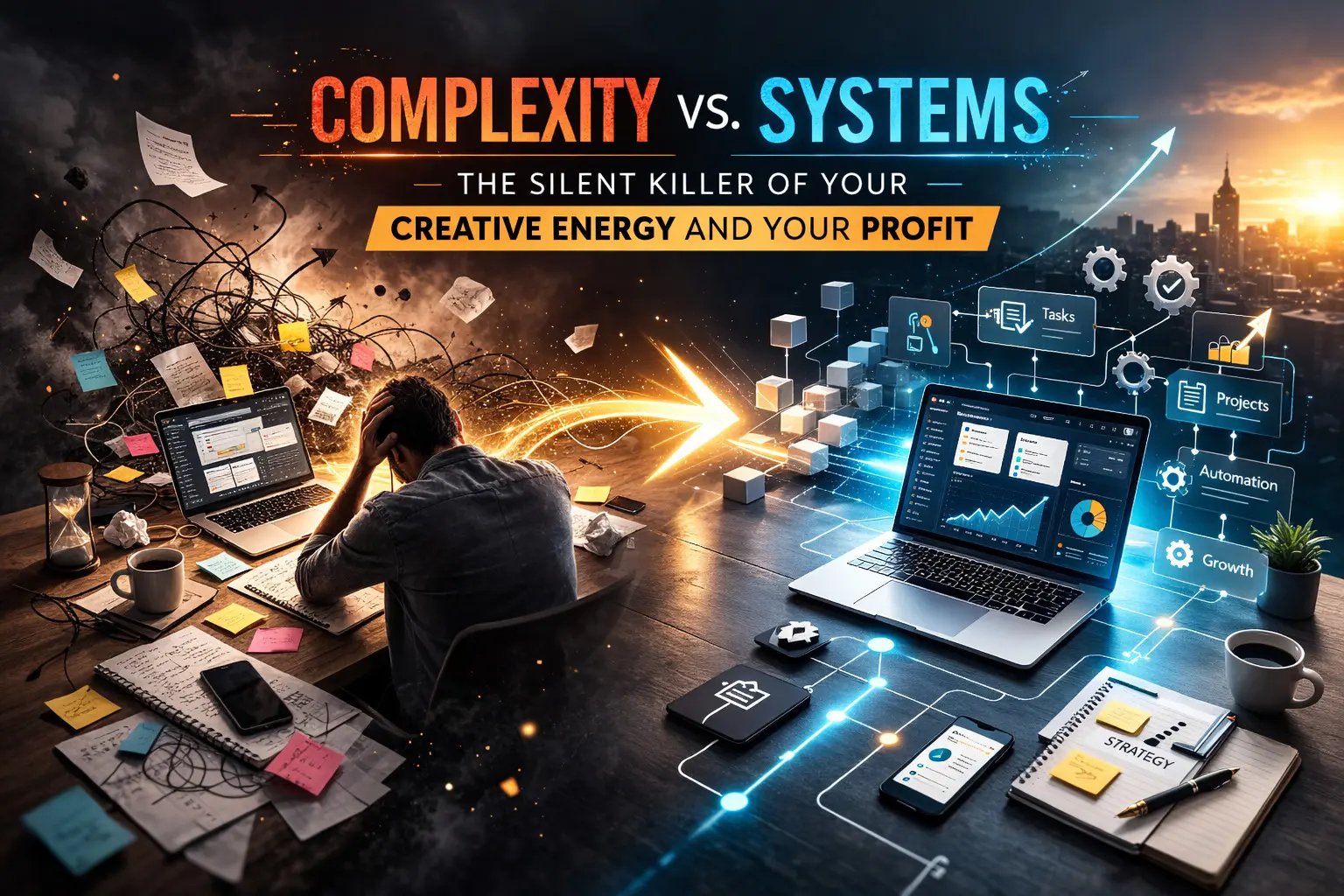
Most first-time e-books don’t fail because the author lacks expertise. They fail because the process is unclear, unbounded, and overly complex.
If you’ve been stuck at the idea or partial draft stage, the solution isn’t more inspiration—it’s a better system.
Tools like From Idea to E-book in 7 Days offer a practical alternative: a clear path from concept to completed draft, without unnecessary complexity.
Finishing your first e-book doesn’t require years of experience. It requires a process that supports completion.